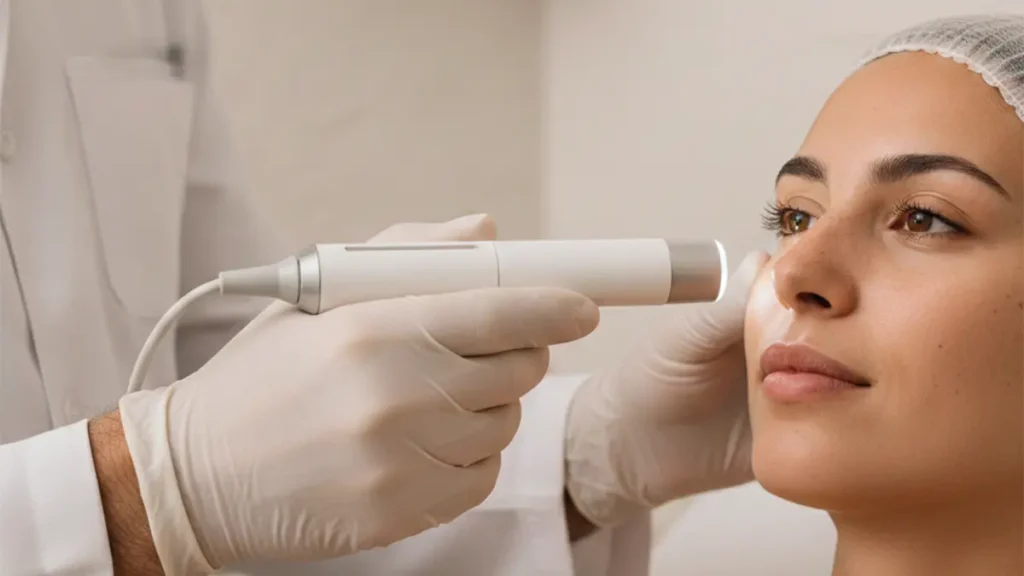
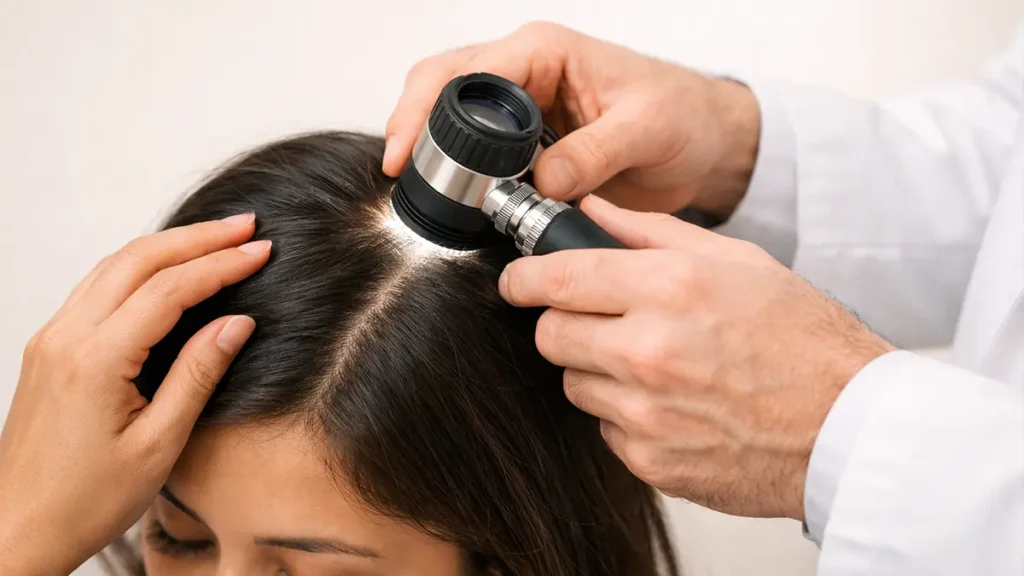
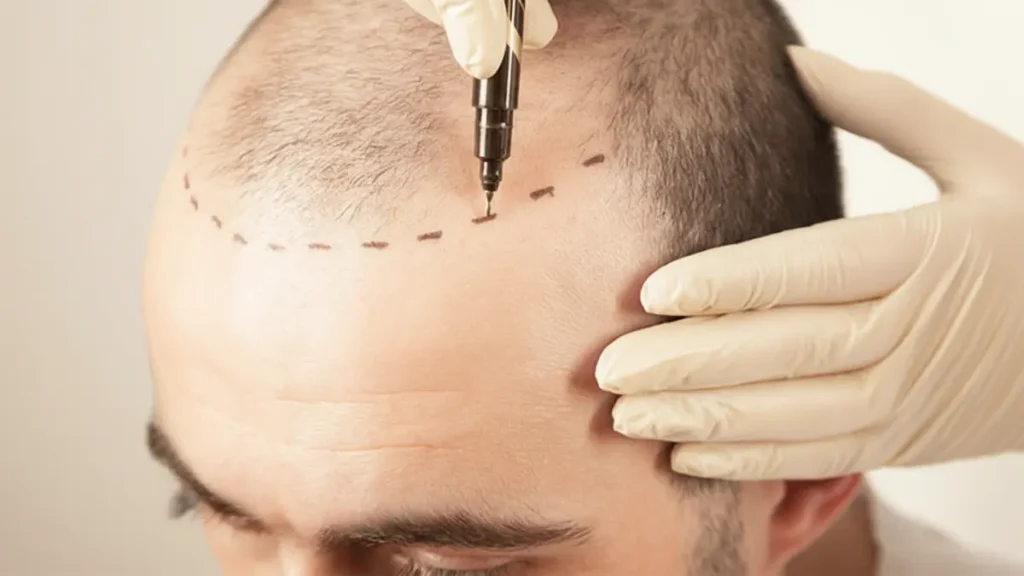
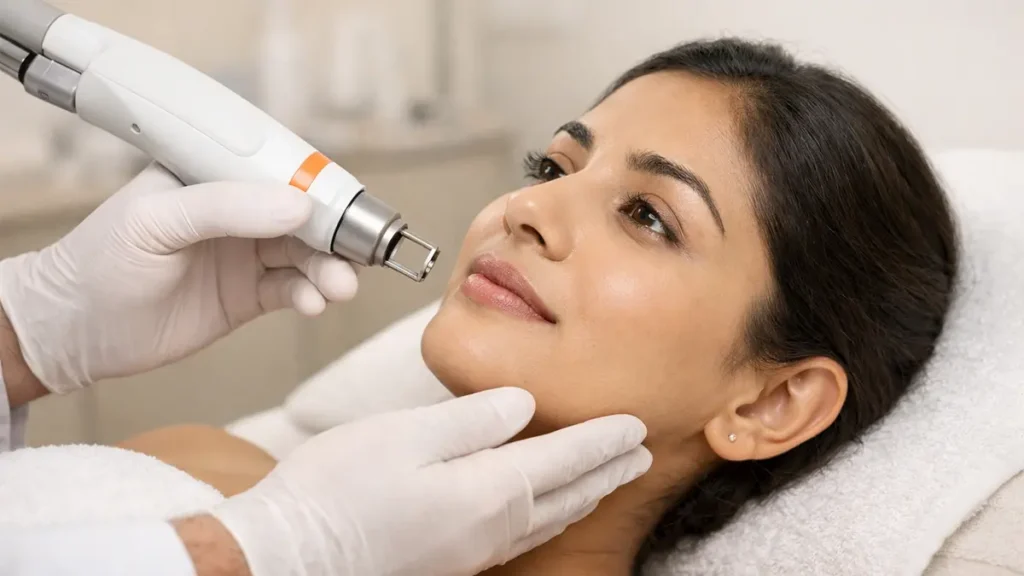
At Dr. Swapnil Shah’s clinic, treatment plans are made after assessing the skin or hair condition carefully, considering factors such as severity, skin type, and response to previous treatment. Options range from medical therapy to advanced lasers, phototherapy, and specialised procedures — recommended only when appropriate and beneficial.
Skin concerns such as acne, pigmentation, pimples, melasma, tan, open pores, uneven skin tone, and scars are evaluated carefully before planning treatment. Options may include acne medicines, chemical peels, pigmentation treatments, tatoo removals, burn scars removals, skin tightning, scar procedures and skincare guidance suited to Indian skin. Treatment choices depend on skin type, severity, and expected response.

Medical treatment for active acne followed by procedures designed to reduce marks, oiliness, and inflammation over time.
Careful evaluation of pigment type followed by medical treatment, sunscreens, peels, and selective laser procedures when appropriate.
Procedures that address dullness or uneven texture while maintaining natural appearance — including peels and other gradual therapies.
Hair loss and scalp concerns such as male/female pattern hair loss, hair thinning, dandruff, and alopecia areata are assessed to identify causes before treatment. Options such as medical therapy, stem cell therapy, GFC therapy, PRP treatment, mesotherapy and scalp care may be advised depending on suitability and response.
Laser treatments are recommended when medically appropriate for conditions like unwanted facial and body hair, pigmentation, acne scars, vascular lesions, burn and injury scars, and growths. Procedures such as laser hair removal, fractional laser for scars, and pigment lasers are planned using parameters safe for Indian skin, focusing on comfort and gradual improvement.
Tattoo Removal
Skin Resurfacing
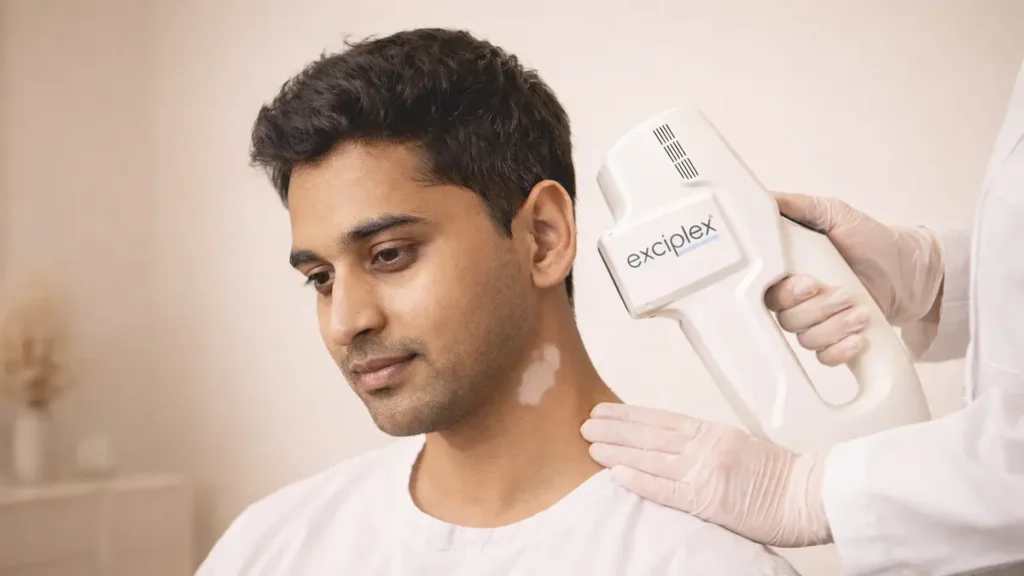
Vitiligo care may include medical therapy, phototherapy, excimer treatment, and in stable cases, melanocyte transplantation. The approach focuses on controlling disease activity, supporting repigmentation, and maintaining long-term skin health with realistic expectations and ongoing monitoring.
Psoriasis management includes topical and oral medicines, skin supportive care, and NB-UVB phototherapy when indicated. Treatment decisions are based on the type and severity of the condition, aiming to reduce flare-ups, scaling, and discomfort while supporting overall skin condition over time.
Phototherapy is used for selected conditions including vitiligo, psoriasis, and alopecia areata, when consistent light exposure is beneficial. Treatments such as NB-UVB phototherapy for widespread disease and excimer light therapy for localised patches are planned based on response and skin stability, with regular follow-up to track progress.
Chemical Peels
Skin Rejuvenation
Skin Tightening (Non-surgical)
Treatment for Facial Redness & Veins
Sweat Reduction Treatments